Rank tracking is something you repeat every day or every week, so picking the wrong tool means paying for data you still cannot trust. The market ranges from large international platforms packed with features to lean tools that focus on doing one job well: measuring rankings. This article brings together 6 practical criteria to help you choose a keyword rank tracker that matches your scale and your budget.
1. Accuracy — and are the measurement conditions transparent?
This is the most important criterion. A good tool must tell you exactly under which conditions each result was measured: country, language, specific location, and device. If a tool returns a single generic number without saying where it was measured from, or whether it was desktop or mobile, that number is nearly meaningless — especially if you do SEO for a market like Vietnam, where rankings in Ho Chi Minh City and Hanoi can differ noticeably. Prioritize tools that let you pick a measurement location down to the city or province level and that report mobile and desktop results separately.
2. Update frequency and checking depth
Tools differ on two points:
- Update frequency: some tools refresh rankings only once a week, others update daily, and the best option is on-demand checking — the ability to re-check right after you finish optimizing a page.
- Checking depth: does the tool scan the top 10, top 30, or top 100? If it only scans the top 10, a keyword sitting at position 25 shows up as "not ranking," and you never see its progress as it climbs. For a new website, a depth of at least the top 30 is sensible so you can spot movement early.
3. How pricing works: by keyword or by feature?
Most tools charge based on the number of keywords tracked, sometimes with additional limits on projects (websites) and monthly checks. When comparing prices, do not just look at the headline figure — convert it into a cost per keyword and match it against your real needs: a small website typically tracks only a few dozen core keywords, while an agency managing many clients may need thousands of keywords across many projects. Avoid buying a large plan "just in case" — you can always upgrade later. Also check for a free plan or trial: it gives you a way to verify accuracy before spending money.
4. Ranking history and reporting
The value of tracking lies in the history, not in today's number. A tool should offer:
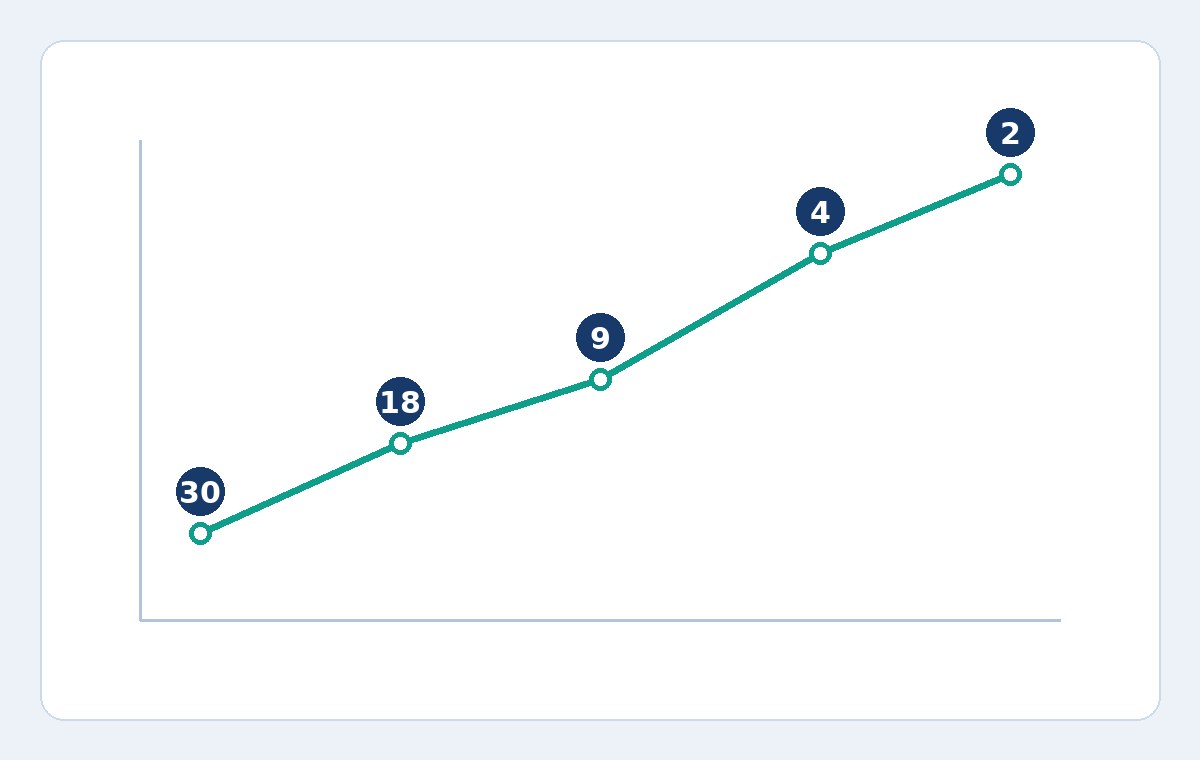
- Ranking movement charts over 7 days, 30 days, or since you started tracking.
- A comparison between the current ranking and the initial ranking, so you can see total progress.
- Which page (URL) is ranking for each keyword — because Google sometimes ranks an unintended page.
- Data export to CSV/Excel and shareable reports for clients or managers, including people who do not have an account.
5. Support for your market and language
Many international tools are strong on English-language data but measure smaller markets poorly. If your customers are in Vietnam, check whether the tool measures on Google Vietnam with a Vietnamese interface, supports Vietnamese keywords with diacritics and locations across Vietnamese provinces and cities, and whether the support team can communicate in Vietnamese when something goes wrong. A Vietnamese interface is another plus — it helps team members or clients read reports on their own without much hand-holding.
6. Extra features: only pay for what you will use
Some all-in-one SEO suites bundle rank tracking with keyword research, backlink analysis, site audits, and more. That sounds convenient, but you end up paying for sections you never open. If your core need is accurate, consistent rank tracking, a dedicated lightweight tool is usually significantly cheaper and easier to use. On the other hand, if you genuinely need a full analytics ecosystem, a larger suite makes more sense. List the three things you do with the tool every week, and choose based on exactly those three things.
Suggestions by scale of use
- Small website owners and freelancers: prioritize a low cost per keyword, location- and device-level checks, and a free plan to get started.
- Agencies and SEO teams: prioritize multiple projects, client-shareable reports, data export, and generous check limits.
- SEO beginners: prioritize a simple interface and easy-to-read movement data, without a maze of secondary metrics.
Among lightweight tools built for the Vietnamese market, Keyword.help is worth considering: it focuses on tracking rankings on Google Vietnam, checks by location and device, offers a free plan to start with, and has a Vietnamese interface. You can see the plan details at the pricing page.
A practical way to test a tool before you pay
Do not rely on feature lists alone. Take 10–20 keywords whose rankings you can roughly verify, add them to the tool, and compare its first results against a careful manual check under the same location and device settings. Then watch the tool for one to two weeks: does it update on the promised schedule, does the history chart stay consistent, and can you share a report link with someone who has no account? Finally, test the exit door before you commit — can you export all your keyword data if you later switch tools? A tool that passes these small tests will almost always serve you better than a famous name chosen from an advertisement. This trial costs nothing on a free plan, and it prevents the most expensive mistake of all: building months of ranking history inside a tool whose numbers you cannot trust.
Conclusion
There is no single "best" tool for everyone — only the tool that fits the way you work. Start with the free or smallest plan, verify accuracy against a few keywords whose rankings you already know, and only then commit long-term. If you want to try a simple tracking workflow right away, you can create a free account and add your first keywords at the sign-up page — it takes just a few minutes to see the real ranking picture for your website.