You check the same keyword in two rank trackers and get two different numbers. One tool reports position four, the other reports position seven, and your first thought is that one of them must be wrong. In most cases, though, both are right, because they measured the same keyword under different conditions. A ranking is not a fixed number written down for the whole world to see. It is the result of a calculation that happens at the exact moment of the search, and it depends on where you are, which device you use, when you check, and your own search history.
Rankings Are Not Fixed Numbers
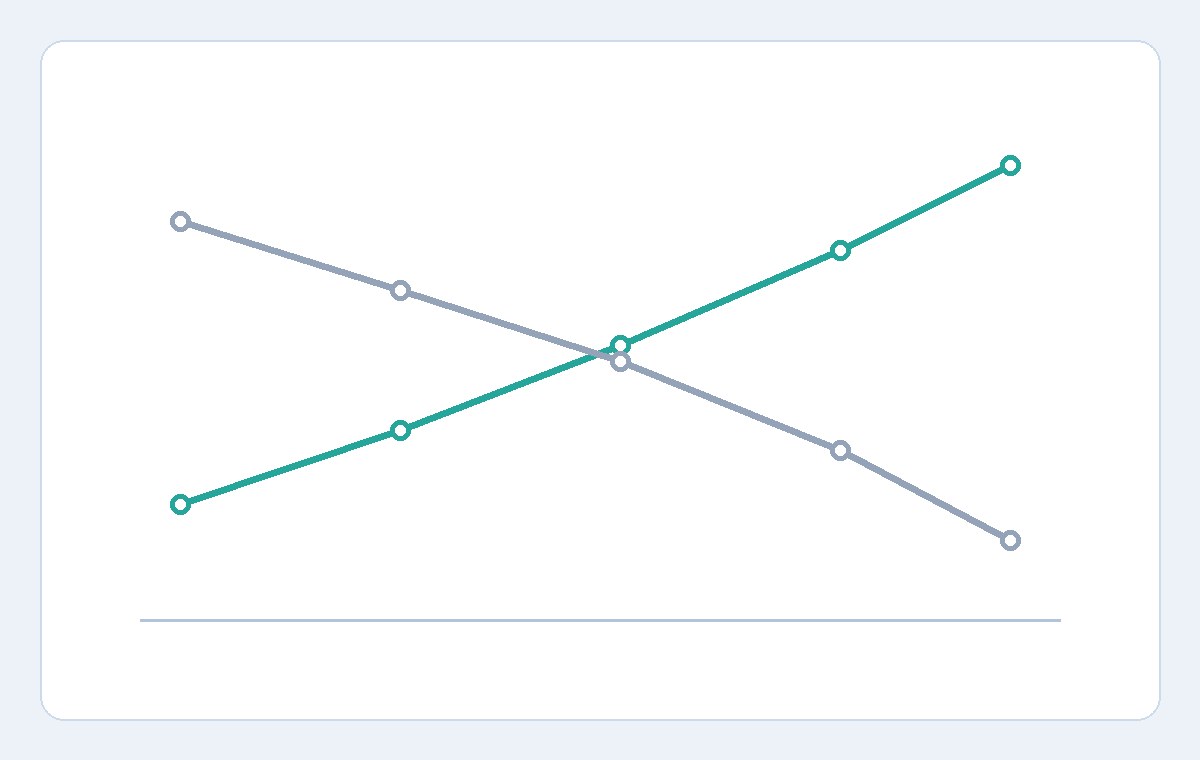
Many people picture Google as keeping a single league table, where every website holds one fixed position for each keyword. The reality is very different. Every time someone types a keyword, Google runs a fresh ranking process, based on hundreds of signals such as location, device, language, and the context of the searcher. Two people in two different cities can see two different orders of results for the same keyword, and both are correct for their own conditions. So the right question is not simply which position you hold, but which position, measured from where, on which device, and at what time.
Location and Data Centers
The biggest source of disagreement between tools is the check location. Google favors results that fit the searcher's location, especially for local keywords such as nearby services or shops. A tool checking from Hanoi and a tool checking from Ho Chi Minh City can report two different positions for the same keyword, and both reflect what users in those two cities actually see. Even when two tools pick the same city, they may query different Google data centers, and those data centers are not always fully in sync with each other. That gap grows wider while Google is rolling out an algorithm change.
Mobile and Desktop Are Different
The results page on a phone and on a computer differs in layout and order, not just screen size. On a phone, maps and feature blocks such as videos take up more of the space above the fold, pushing organic results further down. A website in fourth place on desktop can easily sit in seventh place on mobile for the same keyword, simply because the page is laid out differently. A serious rank tracker therefore keeps desktop and mobile rankings separate. You can read more about organizing tracking by device in the Keyword.help blog from Keyword.help. Comparing mobile rankings from one tool with desktop rankings from another means comparing two different things.
Check Timing and SERP Volatility
Search results never stand still. Google updates its index constantly, competitors publish new content, and the algorithm changes a little every day. A keyword can sit in fifth place in the morning and seventh place in the afternoon, just because a competitor updated an article. Trackers usually check each keyword once a day, but they check at different hours, and the results page can shift in between. A single reading is therefore only a snapshot taken at one moment, not a fixed portrait of the keyword. To know your real position, look at a run of daily readings instead of one number.
Personalization Changes What You See
When you type a keyword into Google yourself to check your ranking, the results you see are already shaped by you. Google remembers your search history and the websites you visit often, then adjusts the results to fit you. If you visit your own website regularly, Google may push it higher in your own results, making you think you rank third when other people only see you in ninth place. Professional rank trackers avoid this by checking from a clean session, signed out, with no history stored. For a rough check of your own, use a private window and sign out of your Google account.
Search Console Measures Something Else
Another common source of confusion is Search Console. Many people compare the average position in Search Console with a tracker's ranking and are surprised when the two numbers do not match. Search Console reports the average position of a keyword across all impressions, on all devices and in all locations. A rank tracker reports a single position, measured at one time, in one place, on one device. The two numbers measure different things: Search Console reflects what real users see across the board, while a tracker shows your position under standard, comparable conditions. Both are useful, and they complement rather than contradict each other.
A One-to-Two Position Move Is Noise
The most important thing to remember is that a move of one or two positions in a short time is usually noise, not a signal. Results pages wobble naturally, and a website can rise or fall by a place or two from day to day without any real change in content quality or site strength. Overreacting to small moves is a common mistake: seeing a one-place drop, many people rush to rewrite titles and change content, then credit the edit when the ranking recovers on its own. Only large, lasting changes deserve attention. A drop from page one to page two that lasts for weeks is a real signal.
How to Track Rankings Correctly
The simplest way to stop being confused by different numbers is to fix every measurement condition, then read only the trend. Pick one tracking tool as your standard, fix one location and one device, and check at the same time every day. Keyword.help checks rankings automatically each day by the country and device you chose for each project, down to the Top 30, so the project overview page shows the ranking history of every keyword over time. Look at the trend over two to four weeks instead of comparing two days in a row, and if you need to track many keywords at once, see the pricing page to choose the plan that fits your scale.
Conclusion
Different rank trackers report different positions for the same keyword, not because one of them is broken, but because each measures under different conditions. Location, device, timing, and personalization all shift the result. A move of one or two positions is normal noise, not a reason to panic or to rush into fixes. Choose one tool, fix the location, device, and check time, then judge by the trend over several weeks. Read that way, the numbers stop contradicting each other and start telling you the truth about your SEO.